Choosing the Perfect Carport for Your Vehicle
When it comes to protecting your vehicle from the elements, a carport can be a smart investment. Unlike a garage, which can be costly and require more space, a carport offers a versatile and often more affordable solution. But with so many options available, how do you choose the perfect carport for your needs? In this guide, we will explore the various types of carports, materials, and considerations to help you make an informed decision.

Understanding the Basics of Carports
What is a Carport?
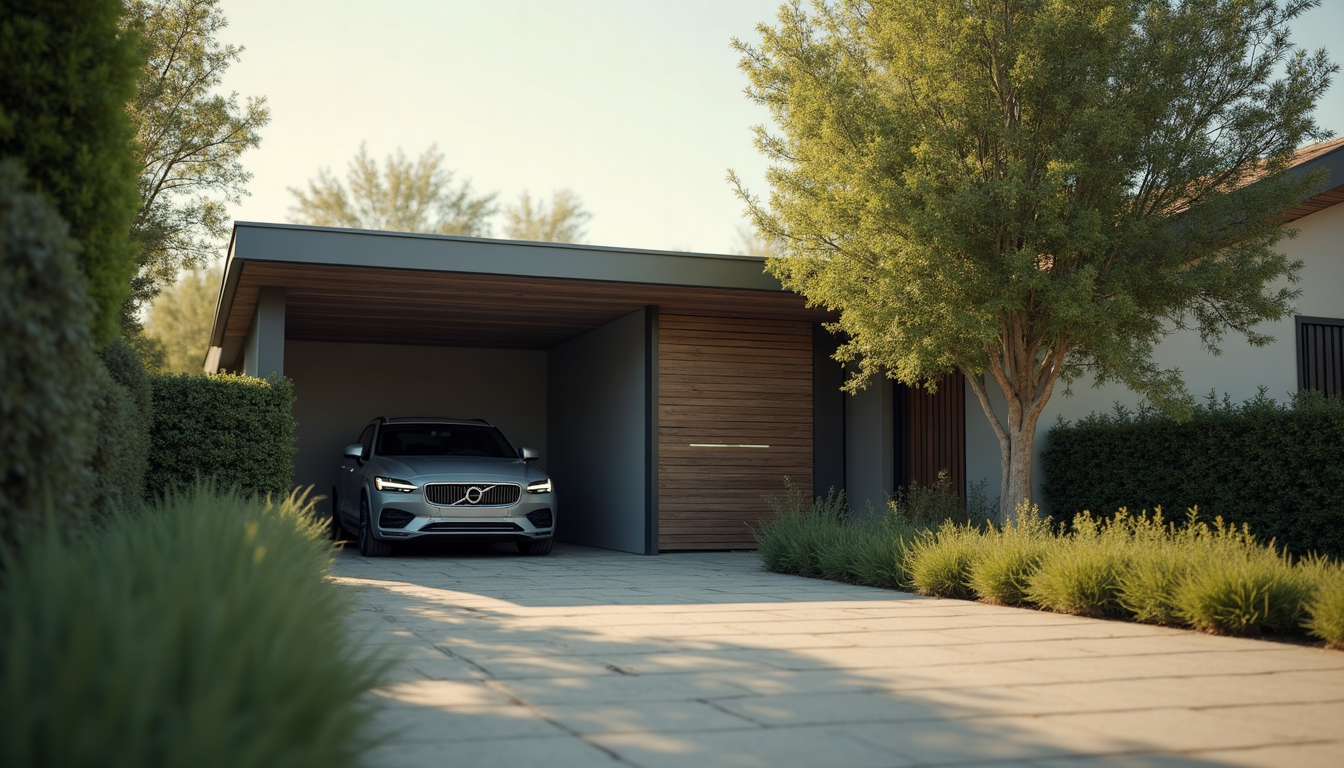
A carport is a covered structure designed to provide shelter for vehicles. It typically consists of a roof supported by posts or columns, allowing for easy access and ventilation. Carports can be attached to a home or stand alone, and they come in various styles and sizes to accommodate different needs.
Benefits of Having a Carport
Investing in a carport comes with several advantages:
Protection from Weather: Carports shield your vehicle from rain, snow, hail, and UV rays, reducing wear and tear.
Cost-Effective: Compared to building a garage, carports are generally more affordable and quicker to install.
Versatility: Carports can serve multiple purposes, such as a shaded area for outdoor activities or storage for tools and equipment.
Increased Property Value: A well-designed carport can enhance the aesthetic appeal of your property and potentially increase its value.
Types of Carports
1. Attached Carports
Attached carports are connected to your home, providing easy access to your vehicle while offering additional protection from the elements. They can be designed to match the architectural style of your house, creating a cohesive look.
2. Freestanding Carports
Freestanding carports are standalone structures that can be placed anywhere on your property. They offer flexibility in terms of location and can be used for multiple vehicles or even as a shelter for outdoor equipment.
3. Portable Carports
Portable carports are lightweight and can be easily moved or disassembled. They are ideal for temporary use or for those who may relocate frequently. These carports often come with a fabric cover supported by a metal frame.
4. Custom Carports
For those with specific needs or unique property layouts, custom carports can be designed to fit your requirements. This option allows for personalized features such as additional storage, specific dimensions, or unique roofing styles.
Materials Used in Carport Construction
1. Metal Carports
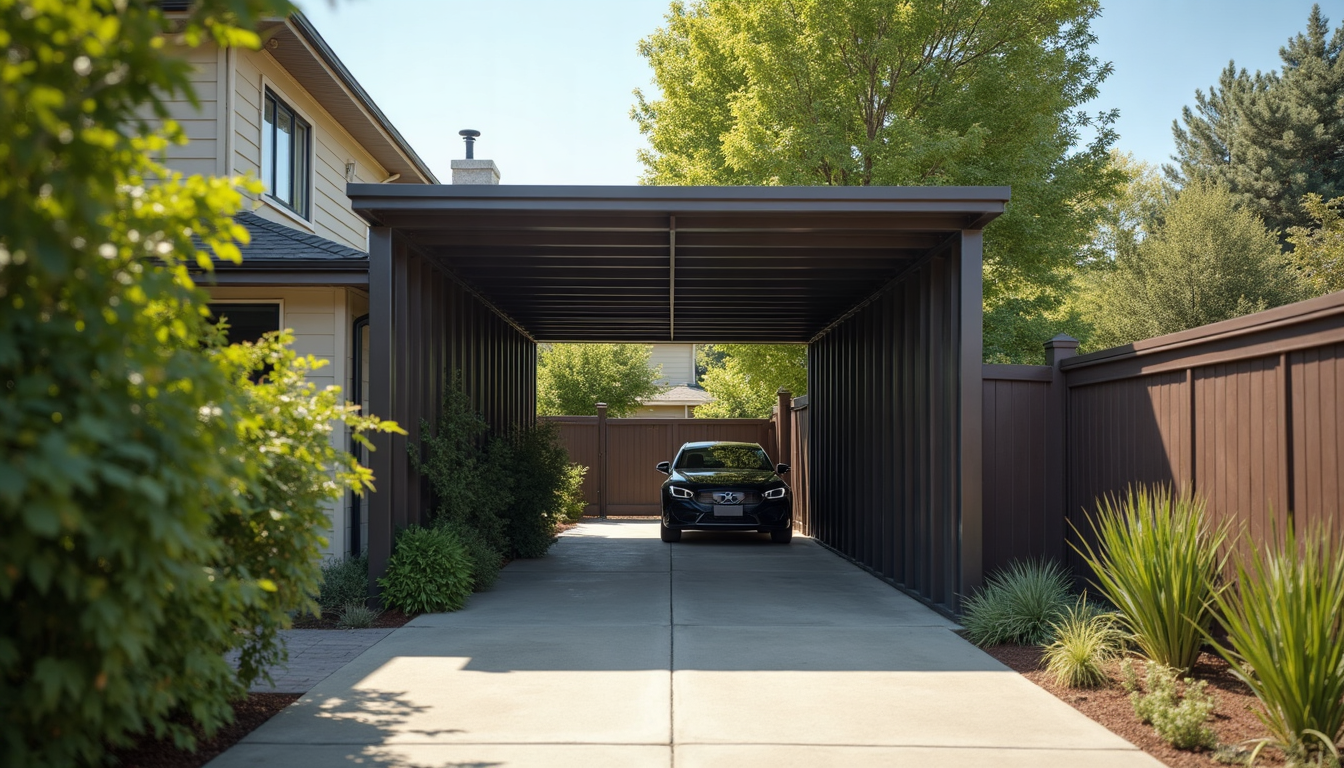
Metal carports are popular due to their durability and low maintenance. They can withstand harsh weather conditions and are resistant to pests and rot. Common materials include:
Steel: Known for its strength and longevity, steel carports are ideal for areas with heavy snowfall or high winds.
Aluminum: Lightweight and rust-resistant, aluminum carports are easier to install and move but may not be as sturdy as steel.
2. Wood Carports
Wood carports offer a natural aesthetic that can blend seamlessly with your home and landscape. However, they require more maintenance to prevent rot and insect damage. Common wood types include:
Cedar: Naturally resistant to decay and insects, cedar is a popular choice for its beauty and durability.
Pine: More affordable than cedar, treated pine can also be a good option, though it may require more upkeep.
3. Fabric Carports
Fabric carports are often the most affordable option and are typically made from a durable, weather-resistant material stretched over a metal frame. They are lightweight and easy to set up but may not provide the same level of protection as metal or wood options.
Key Considerations When Choosing a Carport
1. Size and Space
Before selecting a carport, assess the space available on your property. Consider the size of your vehicle and any additional items you may want to store. Ensure there is enough clearance for easy access and movement around the carport.
2. Local Regulations
Check with your local zoning and building regulations to determine if there are any restrictions on carport construction. Some areas may require permits or have specific guidelines regarding size, height, and placement.
3. Climate
Consider the climate in your area when choosing materials and design. For example, if you live in an area prone to heavy snowfall, a metal carport with a sloped roof may be more suitable than a fabric option.
4. Budget
Establish a budget before starting your carport project. Prices can vary significantly based on materials, size, and design. Keep in mind that while a lower upfront cost may be appealing, investing in higher-quality materials can save you money in the long run through reduced maintenance and replacement costs.
Installation Options
DIY Installation
For those with a knack for home improvement, installing a carport can be a rewarding DIY project. Many carport kits come with detailed instructions, making it easier for homeowners to tackle the installation themselves. However, ensure you have the necessary tools and skills before proceeding.
Professional Installation
If you prefer a hassle-free experience or lack the time or expertise for a DIY project, hiring a professional installer is a great option. Professionals can ensure that your carport is built to code and meets all safety standards.
Maintenance Tips for Your Carport
Regular Inspections
Conduct regular inspections of your carport to identify any signs of wear or damage. Look for issues such as rust on metal carports, rot on wooden structures, or tears in fabric covers.
Cleaning
Keep your carport clean by removing debris, leaves, and dirt regularly. For metal carports, a simple wash with soap and water can help prevent rust. Wooden carports may require periodic staining or sealing to protect against moisture.
Repairs
Address any repairs promptly to prevent further damage. For example, replace any damaged panels or supports on metal carports and treat any signs of rot on wooden structures.
Conclusion
Choosing the perfect carport for your vehicle involves careful consideration of various factors, including type, materials, size, and budget. By understanding your needs and the options available, you can make an informed decision that will protect your vehicle and enhance your property. Whether you opt for a sleek metal design or a charming wooden structure, a carport can provide the shelter and convenience you need. Start planning your carport today and enjoy the benefits of a well-protected vehicle for years to come.
Comments